

A general dentist can start in dental sleep medicine by screening patients for obstructive sleep apnea (OSA) at hygiene and recall visits, referring suspected cases to a physician for diagnosis, and then providing custom oral appliance therapy when the physician prescribes it. The dentist screens and treats; the physician diagnoses and confirms that treatment is working. Build that referral loop first, then add the clinical and team systems around it.
Many practices already see patients every day who snore, wake up tired, or grind their teeth at night. The questions below walk through what your role is, what it is not, and how to add sleep medicine to a general practice in a safe, organised way.
What is the dentist's role in obstructive sleep apnea?
OSA is a medical diagnosis. A physician makes it, usually a sleep specialist, based on a sleep test. That test may be an in-lab polysomnogram or a home sleep apnea test, depending on the patient and the physician's judgment.
The dentist's role sits on either side of that diagnosis:
- Before diagnosis: recognise warning signs, screen with validated questionnaires, and refer.
- After diagnosis: when the physician prescribes oral appliance therapy (OAT), fabricate and fit a custom appliance, titrate it, manage side effects, and communicate with the physician.
Dentists do not diagnose OSA, and they should not interpret sleep studies as a diagnosis. Scope of practice rules, including who may order or dispense home sleep tests, vary by state and province. Check with your licensing board and your professional liability carrier before you change anything in your protocols.
Is snoring the same as sleep apnea?
No. Snoring is noise from vibration of soft tissue in a narrowed airway. OSA involves repeated partial or complete collapse of the airway during sleep, with drops in breathing and often in oxygen levels, followed by arousals that fragment sleep.
Many people who snore do not have OSA, and some people with OSA do not report loud snoring. That is why a dentist should never make an appliance for "just snoring" without a medical evaluation first. A snoring appliance can quiet the bed partner while a significant apnea goes undiagnosed and untreated. The safe rule: any patient who snores and shows other risk factors gets screened and referred before any appliance is discussed.
How do you screen for sleep apnea at hygiene and recall visits?
The recall visit is the most natural place to start. Your patients already come in regularly, and your team already takes a health history. Screening adds a few questions and a few observations.
Validated questionnaires
- STOP-BANG: eight yes-or-no items covering Snoring, Tiredness, Observed apneas, high blood Pressure, BMI, Age, Neck circumference and Gender. Higher scores indicate higher risk and support a referral.
- Epworth Sleepiness Scale (ESS): the patient rates how likely they are to doze in eight everyday situations. It measures daytime sleepiness. A normal score does not rule out OSA, so use it alongside STOP-BANG and clinical findings.
Clinical observations
Your exam already gives you useful information. Note findings such as a scalloped tongue, a large tongue relative to the arch, enlarged tonsils, a high Mallampati classification, a retrognathic mandible, and signs of nighttime clenching or grinding. None of these diagnoses anything on its own. Together with the questionnaires, they help you decide who needs a conversation and a referral.
Keep the process simple. Add the questionnaires to your health history update, flag positive screens in the chart, and let the dentist confirm at the exam. Our resources page has more on building screening into existing visits.
How does the referral loop with physicians and sleep specialists work?
Dental sleep medicine depends on a working relationship with medicine. A clear loop protects the patient and builds trust with physicians who may later refer patients back to you.
- Screen and refer. Send a concise letter to the patient's primary care physician or a local sleep physician. Include the screening scores, relevant exam findings, and a request for evaluation.
- Diagnosis. The physician evaluates the patient, orders the sleep test, and discusses treatment options, which may include CPAP, oral appliance therapy, positional therapy, weight management or surgery.
- Prescription for OAT. If OAT is appropriate, the physician provides a written prescription or order and a copy of the sleep study.
- Treatment and progress reports. You fit and titrate the appliance and send updates to the physician at key milestones.
- Efficacy testing. The physician arranges a follow-up sleep test with the appliance in place to confirm it is working.
- Long-term follow-up. Both offices continue monitoring. The patient returns to you for appliance checks and to the physician for ongoing sleep care.
Start small. Meet two or three local physicians in person, explain your process, and leave referral pads and a sample report. Consistent, short, professional communication is what keeps the loop running.
What are the basics of oral appliance therapy?
The 2015 clinical practice guideline from the American Academy of Sleep Medicine (AASM) and the American Academy of Dental Sleep Medicine (AADSM) recommends that sleep physicians prescribe oral appliances for adult patients with OSA who are intolerant of CPAP or who prefer alternate therapy. The same guideline recommends a custom, titratable appliance over a non-custom device, and it recommends that a qualified dentist provide it.
Custom, titratable appliances
Mandibular advancement devices hold the lower jaw forward during sleep, which helps keep the airway open. A custom appliance is made from impressions or scans of the patient's teeth. "Titratable" means the dentist can advance the mandible in small, controlled steps after delivery.
Titration
You begin at a comfortable starting position and advance gradually over follow-up visits, guided by symptom reports, bed partner feedback and patient comfort. Titration continues until symptoms improve or comfort limits further movement. At that point the patient goes back to the physician for efficacy testing.
Side effects to monitor
- Bite changes: occlusal changes can develop over time with mandibular advancement. Record a baseline and monitor at every follow-up. A morning repositioning device and jaw exercises are commonly used to help.
- TMJ and muscle discomfort: some patients report jaw or muscle soreness, especially early in titration. Screen the joints and muscles before treatment and document any existing TMD.
- Tooth discomfort, excess salivation or dry mouth: these are common early on and often settle.
A thorough TMJ examination is part of every OAT workup. That is one reason TMD and sleep training fit well together. See our TMD training for that side of the picture.
Confirming efficacy
Symptom improvement is encouraging, but it does not confirm that the apnea is controlled. The AASM/AADSM guideline recommends follow-up sleep testing with the appliance in place, ordered through the physician. Never discharge a patient on symptoms alone.
Who does what on the dental team?
Sleep medicine works best when the dentist is not doing everything. Clear roles keep it efficient.
- Front desk: hands out questionnaires, schedules consults and follow-ups, and tracks referral letters and physician replies.
- Hygienists: review screening forms, note airway-related findings, and start the conversation with patients during recall.
- Dental assistants: take records and scans, help with appliance delivery, and record titration settings.
- Treatment coordinator or insurance lead: handles medical benefits verification, pre-authorisations and financial arrangements.
- Dentist: confirms screening findings, communicates with physicians, examines the TMJ, and manages the clinical treatment.
Training the whole team together makes these roles stick. Our team training page covers how we approach this.
How does medical insurance work for oral appliance therapy?
Because OSA is a medical condition, OAT is usually billed to medical insurance rather than dental plans. Requirements differ widely by country, state, province and payer. In general, practices need a physician's diagnosis and prescription, a copy of the sleep study, documentation of medical necessity, and, with some plans, evidence that the patient could not tolerate CPAP.
Expect to verify benefits before treatment, obtain pre-authorisation where required, and keep detailed records of delivery and follow-up. Many practices assign one team member to learn medical billing well or work with an outside billing service. Rules change, so confirm current requirements with each payer rather than relying on assumptions.
What is a step-by-step plan to get started?
- Get trained. Take structured education in OSA, OAT, and TMJ evaluation before treating anyone. Our dental sleep medicine training outlines what that involves.
- Check your scope. Review your state or provincial regulations and talk to your liability carrier.
- Add screening at recall. Put STOP-BANG and the Epworth scale into your health history and train hygienists to flag positive screens.
- Build your referral network. Meet local physicians and sleep specialists, and prepare referral letter and progress report templates.
- Choose your appliances and lab. Standardise on a small number of custom, titratable designs.
- Write your protocols. Document records, consent, delivery, titration, side effect monitoring and follow-up intervals.
- Set up medical billing. Decide who handles it in-house or which billing partner you will use.
- Start with a few cases. Treat a small number of patients carefully, refine your workflow, then grow.
Where can you get structured training and mentorship?
Adding sleep medicine is easier with a proven system and someone to answer questions as cases come up. Dr. Haissam Dahan is board-certified by the American Academy of Dental Sleep Medicine and the American Academy of Orofacial Pain, and he runs the Ottawa TMJ and Sleep Apnea Clinic. The TMD & DSM Mastery Program is a 12-month program for up to 10 dentists per year that combines dentist and team training, monthly group coaching, quarterly one-to-one coaching, and a two-day mentorship visit to the Ottawa clinic. Graduates leave with consent forms, financial forms, patient instructions, checklists and a full workflow. Read the FAQ or apply to learn more.
This article is for educational purposes for dental professionals and is not medical advice. Follow current clinical guidelines and the regulations in your jurisdiction.
Frequently asked questions
QCan a general dentist diagnose obstructive sleep apnea?
No. Obstructive sleep apnea is diagnosed by a physician, usually a sleep specialist, based on a sleep test. A general dentist can screen patients with tools such as STOP-BANG and the Epworth Sleepiness Scale, refer suspected cases, and provide oral appliance therapy when a physician prescribes it. Scope of practice rules vary by state and province.
QWhat type of oral appliance is recommended for sleep apnea?
The 2015 AASM and AADSM clinical practice guideline recommends a custom, titratable oral appliance over a non-custom device for adults with OSA who prefer oral appliance therapy or cannot tolerate CPAP. The dentist advances the appliance gradually, monitors side effects, and the physician arranges follow-up sleep testing to confirm efficacy.
QWhat side effects should dentists monitor during oral appliance therapy?
Dentists should monitor for bite changes, TMJ and jaw muscle discomfort, tooth soreness, excess salivation and dry mouth. Record a baseline occlusion and TMJ examination before treatment, then check at every follow-up. Early discomfort often settles, while bite changes need ongoing monitoring throughout the life of the appliance.
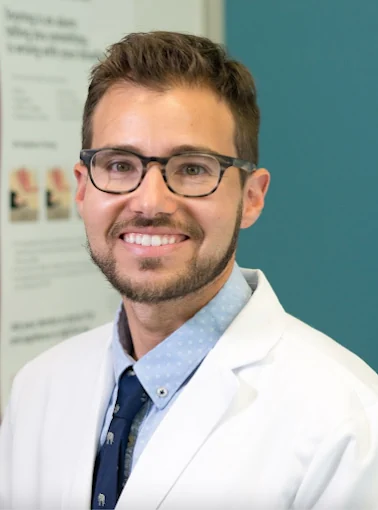
About Dr. Haissam Dahan
Dr. Dahan is board-certified by the American Academy of Orofacial Pain and the American Academy of Dental Sleep Medicine, owns the Ottawa TMJ and Sleep Apnea Clinic, and leads the TMD & DSM Mastery Program for general dentists. Read his full biography.
This article is educational content for dental professionals and is not medical advice. Scope of practice and regulations vary by state and province.